Visualizzazione post con etichetta debito sovrano. Mostra tutti i post

martedì 15 gennaio 2013

Il Giappone verso la ripresa o verso il disastro?

Due opinioni opposte sul futuro del Giappone da due commentatori autorevoli e molto seguiti: ieri sul New York Times Paul Krugman inneggiava alla nuova politica espansiva del premier Abe, oggi John Mauldin prevede disastri all'orizzonte.

Secondo Krugman l'Europa e soprattutto gli USA si preoccupano troppo della sostenibilità del debito e non abbastanza dell'occupazione e della crescita, che devo essere adeguatamente stimolata anche attraverso l'intervento diretto dello Stato:

While getting out of a prolonged slump turns out to be very difficult, that’s mainly because it’s hard getting policy makers to accept the need for bold action. That is, the problem is mainly political and intellectual, rather than strictly economic. For the risks of action are much smaller than the Very Serious People want you to believe.

Consider, in particular, the alleged dangers of debt and deficits. Here in America, we are constantly warned that we must slash spending now now now or we’ll turn into Greece, Greece I tell you. But Greece, a country without a currency, doesn’t look much like the United States; surely Japan offers a more relevant model. And while doomsayers keep predicting a fiscal crisis in Japan, hyping each uptick in interest rates as a sign of the imminent apocalypse, it keeps not happening: Japan’s government can still borrow long term at a rate of less than 1 percent.

Enter Mr. Abe, who has been pressuring the Bank of Japan into seeking higher inflation — in effect, helping to inflate away part of the government’s debt — and has also just announced a large new program of fiscal stimulus. How have the market gods responded?

The answer is, it’s all good. Market measures of expected inflation, which were negative not long ago — the market was expecting deflation to continue — have now moved well into positive territory. But government borrowing costs have hardly changed at all; given the prospect of moderate inflation, this means that Japan’s fiscal outlook has actually improved sharply. True, the foreign-exchange value of the yen has fallen considerably — but that’s actually very good news, and Japanese exporters are cheering.

In short, Mr. Abe has thumbed his nose at orthodoxy, with excellent results.
Now, people who know something about Japanese politics warn me not to think of Mr. Abe as a good guy. His foreign policy, they tell me, is very bad, and his support for stimulus may have more to do with old-fashioned pork-barrel (tofu barrel?) politics than with a sophisticated rejection of conventional wisdom.
But none of that may matter. Whatever his motives, Mr. Abe is breaking with a bad orthodoxy. And if he succeeds, something remarkable may be about to happen: Japan, which pioneered the economics of stagnation, may also end up showing the rest of us the way out.


Di parere completamente opposto è John Mauldin che da anni sostiene che Japan Is a Bug in Search of a Windshield (cioè...il Giappone è un moscerino in cerca di un parabrezza....). Secondo Mauldin i fondamentali economici del Giappone, primo tra tutti il debito pubblico, uniti alle pessime prospettive demografiche e alla progressiva perdita di capacità di risparmio delle famiglie possono solo condurre a una conclusione disastrosa.

Japan now has a breathtaking 230% ratio of government debt to GDP (the last estimate I have seen), and it is growing at 10%-plus a year. The government will borrow almost 45% of its budget this year. Has there ever been a more clear disaster in the making? Yet shorting the Japanese bond has been called “the widow-maker.” I think it was Soros who once quipped that you can’t call yourself a global macro trader until you have lost money shorting JGBs (Japanese government bonds).

La politica del premier Abe condurrà necessariamente a una massiccia svalutazione dello yen, accompagnata da un innalzamento dei tassi di interesse, a livelli che Mauldin non giudica sostenibili: 

The new Japanese government, led by Prime Minister Abe and former Prime Minister and now Minister of Finance Aso, have very explicitly demanded that the Bank of Japan target 2% inflation. They have made clear their intention to replace the governors of the current BoJ board with members who agree with this policy. They have the political clout to do so. Whether at the upcoming meeting or after April, when a new head of the BoJ is appointed, that is going to happen. These moves mean there will be a massive printing of yen. In response, the yen has already weakened by over 10%.
You can control the quantity of money or the price of money but not both. (Yes, I know that one influences the other, but I am referring here to large-scale printing of money.) One has to assume that the law of gravity will not be repealed and that investors will want something more than 2% on the ten-year bond if inflation is at 2%. If the ten-year bond were to rise by 2%, Japan would soon be spending over 50% of its tax revenues on the interest carry alone. I submit that this is not a workable business model.
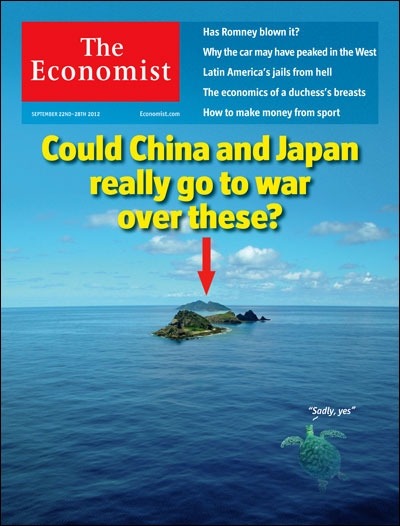
Tra l'altro l'indebolimento dello yen renderà i vicini - la Corea e la Cina in primis - molto nervosi, in un momento in cui le tensioni nazionaliste sono già molto forti (come le dispute per le isole Senkaku...) 

Understand,  inflation targeting is also currency-valuation targeting. They clearly want the yen to devalue. I have been writing for years that the yen would eventually be 125, then 150, then 200 to the dollar. It has been 300 in my lifetime, and unless the Japanese change direction, there is no reason it can’t get there again. This means that Mrs. Watanabe will see her energy bills double. This will call into question the Japanese decision to close their nuclear energy plants – something that Abe is already reconsidering.
Think the Koreans will be happy when you can buy a Lexus cheaper than you can buy a Kia? (Disclosure: I love my Japanese Infiniti, the first “foreign” car I have bought, except for a two-month dalliance with a disaster of a Volkswagen 30 years ago.) Think Samsung and LG will be happy when Panasonic and Sony can eat their lunch pricewise? Welcome to the era of real currency wars.

Indiscutibilmente Mauldin ha un dono per la scrittura, così vi lascio con la scelta tra i due disastri che il nostro analista prevede per il paese del sole levante
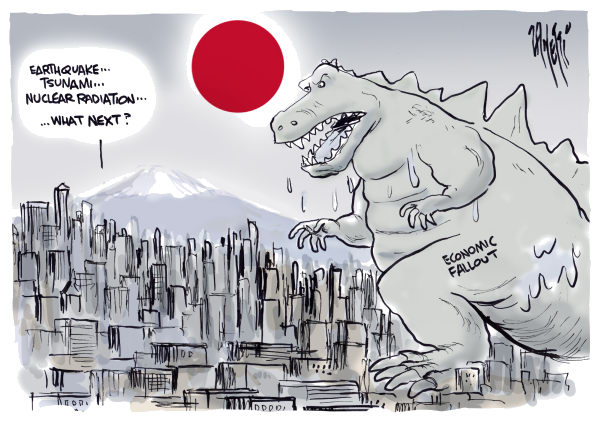
Japan is now committed to either Disaster A or Disaster B. Remember those really bad Japanese “horror” movies of the ’50s and ’60s? Godzilla first released in 1954, and there were dozens of remakes and follow-on movies. It seemed endless. And while the current government policy will not trash downtown Tokyo, it will seriously damage the savings and buying power of two generations. Disaster A is monetization, which is clearly not good when the Japanese want to buy anything not made in Japan (like energy, steel, commodities, a lot of food, etc.) Disaster B is the deflationary depression that budget balancing will yield. Which leads us to the next factor:

3.      Once the government is committed to the new strategy, any retreat will cause a market upheaval. This is not a short-term commitment. It seems to me that the Japanese truly believe that their lack of economic growth can be solved through inflation. Their politicians seem to be channeling their inner Paul Krugman, or at the least taking Bernanke’s advice from 2000, when he published a paper called “Japan’s Slump: A Case of Self-Induced Paralysis?”

When your debt and deficit are as massive as Japan’s, the only way to resolve the issue is to inflate away the debt or willingly enter into a depression. They obviously think they can control both the debt and inflation.

This means you should NOT run out and short Japanese government bonds. Repeat, NOT. The only way for the Japanese to make their plan work without having to battle the Godzilla of a destitute bond market is for the BoJ to move out the yield curve and monetize the debt. They will eventually hit all bids on JGBs. For all intents and purposes, the BoJ will become the yen bond market. You will get all the yen they promised when you bought those bonds … but the contract never stipulates what those yen will actually buy.

The plan is evidently that, with a little inflation, they will jump-start the economy; and with growth they can eventually balance the budget and return to a normal bond market. Rots of ruck, guys.
Just a couple years ago this letter seemed as if it was All Greece, All the Time. Since Japan is, say, about 100 times more important than Greece, we will be revisiting it at length in the coming months. 

mercoledì 24 ottobre 2012

I mercati instabili su YouTube: dall'HFT al contagio del debito sovrano

Il simposio su Instabilities in Financial Markets è stato interamente videoregistrato e lo potete vedere sia sul sito della Scuola Normale (per la precisione qui) sia sul canale YouTube della SNS (ecco il link). Io mi sono molto divertito, ho imparato molto e ho avuto l'occasione di approfondire la conoscenza di alcuni colleghi davvero molto bravi. Dai modelli di instabilità finanziaria alla Minsky alla analisi delle bolle finanziarie, passando per l'analisi della microstruttura dei mercati, la discussione del trading ad alta frequenza e diversi metodi per analizzare il rischio sistemico e prevenire i fenomeni di contagio non ci siamo fatti mancare davvero nulla. Come bonus qui sotto potete vedere l'intervento di Loriana Pelizzon, dedicato alla misura del contagio nel debito sovrano. Buon divertimento!

ore 15.30: Loriana Pelizzon, 
Measuring Sovereign Contagion


martedì 5 giugno 2012

La crisi dell'eurozona ha aiutato la Germania a conservare la AAA

Come mai la Germania ha mantenuto un rating AAA e gli U.S.A. lo hanno perso?

La domanda non è accademica: le condizioni del debito sovrano dei due paesi sono confrontabili, benchè la traiettoria recente del debito sia stata meno virtuosa negli Stati Uniti.

Se si tiene conto però del peso che il debito pubblico complessivo (includendo le pensioni) ha relativamente al reddito disponibile, la situazione tedesca non è molto migliore di quella del Belgio e persino dell'Italia, e addirittura nettamente peggiore di Portogallo, Spagna e Grecia (si veda la tabella qui accanto, tratta da  http://workforall.net/CDS-Credit-default-Swaps.html), una situazione assolutamente diversa da quella degli U.S.A.
Ciononostante i mercati si fidano della Germania e ne amano le emissioni obbligazionarie al punto da prestare
 soldi per due anni senza chiedere nulla in cambio, nemmeno un pochino di interesse. Certo, la Germania deve attingere assai meno ai mercati per rifinanziare il proprio debito nel 2012-2013, con solo il 9-10% del GDP offerto sui mercati obbligazionari contro il 30% degli U.S.A. (che pure riescono ad approvigionarsi a tassi bassissimi, con buona pace di chi invoca i bond vigilantes per punire la dissennatezza finanziaria delle amministrazioni U.S.A. degli ultimi anni). 

Una possibile spiegazione è che la crisi dell'eurozona abbia provocato una fuga verso il Bund come bene rifugio, unico asset percepito come veramente risk-free tra quelli denominati in euro (o almeno come la migliore approssimazione di un asset risk-free disponibile sul mercato), segnalando quindi sul mercato obbligazionario un miglioramento del rating del debito sovrano tedesco proprio mentre sul mercato dei Credit Default Swaps si assisteva a un deterioramento del merito creditizio. E' questo fenomeno, leggibile sulla dinamica congiunta dei CDS e delle obbligazioni, che ha segnato il divorzio tra la Germania e gli USA e che ha reso possibile il downgrade del debito americano mentre quello tedesco ha mantenuto la AAA. Se vi ho incuriosito, e volete comprendere meglio il meccanismo della divergenza tra la dinamica del merito creditizio (implicito nelle quotazioni di mercato) degli USA e della Germania potete leggere questo articolo (in collaborazione con Niccolò Cottini e Aldo Nassigh) nel quale analizziamo la dinamica degli spread dei CDS e delle obbligazioni negli ultimi 5 anni e dal quale ho tratto le due figure riprodotte qui sotto. 

Nella prima si riassumono i movimenti di Germania, Stati Uniti e Francia in un piano i cui due assi coordinati misurano gli spread delle obbligazioni  quinquennali con il LIBOR (in ordinata) e quello del Credit Default Swap pure con scadenza quinquennale (in ascissa). La differenza del comportamento tra la Germania e gli altri due paesi durante la crisi dell'Eurozona è evidente: solo in questo caso l'aumento del CDS quinquennale si accompagna ad una vistosa riduzione dei tassi obbligazionari (ancora una volta guidato dall'affannosa corsa verso un investimento risk-free denominato in euro). Nella figura qui sotto ci concentriamo sul confronto tra USA e Germania, riportando 923 osservazioni giornaliere (dal settembre 2008 al marzo 2012): senza il calo dei tassi un downgrade della Germania sarebbe stato difficilmente evitabile.

domenica 29 aprile 2012

Le politiche economiche degli zombie. Aggiornamento al 27 aprile 2012

Secondo Krugman gli austeriani stanno finalmente battendo ritirata, almeno sul fronte delle idee (assai meno su quello delle politiche economiche):  something has changed in the past few weeks. Several events — the collapse of the Dutch government over proposed austerity measures, the strong showing of the vaguely anti-austerity François Hollande in the first round of France’s presidential election, and an economic report showing that Britain is doing worse in the current slump than it did in the 1930s — seem to have finally broken through the wall of denial. Suddenly, everyone is admitting that austerity isn’t working.
The question now is what they’re going to do about it. And the answer, I fear, is: not much.
For one thing, while the austerians seem to have given up on hope, they haven’t given up on fear — that is, on the claim that if we don’t slash spending, even in a depressed economy, we’ll turn into Greece, with sky-high borrowing costs.
Now, claims that only austerity can pacify bond markets have proved every bit as wrong as claims that the confidence fairy will bring prosperity. Almost three years have passed since The Wall Street Journal breathlessly warned that the attack of the bond vigilantes on U.S. debt had begun; not only have borrowing costs remained low, they’ve actually fallen by half. Japan has faced dire warnings about its debt for more than a decade; as of this week, it could borrow long term at an interest rate of less than 1 percent.
C'è anche chi prevede i tassi decennali U.S.A. scendere fino allo 0,5%.Scrive infatti Faber: If you align the Japan series starting in 1990 and the US in 2000 you have a similar trend in interest rates.  The interesting thing to note is that after initally crossing below 2% JGBs have not risen above that ceiling for the past 10 years.  Nor has their yield curve ever gone negative in the past 20 years.  Japanese bonds have returned over 30% since initially crossing below 2% and Japanese stocks have had negative returns over the period…. Ridicolo? Forse. O forse no?
Se davvero, come dice Krugman, siamo destinati a sopravvivere in un mondo di politiche economiche zombie allora anche la prospettiva dei tassi decennali U.S.A. allo 0,5% diventa meno incredibile...
...serious analysts now argue that fiscal austerity in a depressed economy is probably self-defeating: by shrinking the economy and hurting long-term revenue, austerity probably makes the debt outlook worse rather than better.
So we’re now living in a world of zombie economic policies — policies that should have been killed by the evidence that all of their premises are wrong, but which keep shambling along nonetheless. And it’s anyone’s guess when this reign of error will end.


Ma c'è un po' di speranza. Mentre Standard and Poor's abbassava il rating della Spagna (da A a BBB+), rivedendo al ribasso le stime di crescita e al rialzo (!!!) quelle del tasso di disoccupazione (già al 24,4% !!! ma il tasso di disoccupazione giovanile è il 50%) il Wall Street Journal osservava come l'austerità non possa essere la soluzione per la crisi spagnola In Spain, where the debt-to-GDP level of 68.5% is well below the 87.2% euro-area aggregate, arguably the most urgent challenge is to overhaul a growth model crushed by the collapse of the construction industry and related businesses. While the budget deficit needs to be reduced from 8.5% of GDP, doing so quickly will hurt growth. Worse, the pain of austerity—unemployment is 23.6%—risks undermining support for structural reforms that could boost long-term growth. And with concerns over austerity pushing up bond yields, the country effectively faces tighter monetary and fiscal policy at the same time.(...) Europe may be shifting stance. ECB President Mario Draghi says euro-zone nations need a "growth pact" and even German Chancellor Angela Merkel is talking about growth—although both rule out economic stimulus. A debate about whether the euro zone should rethink the 3% target might ultimately be a good thing.


A dispetto delle cattive notizie la settimana appena conclusosi è stata davvero molto buona per tutti gli asset seguiti da Alfa o Beta? L'indice Eurostoxx ha segnato il miglior progresso (+1,6%) seguito dall'indice SP500 in euro (+1,5%) e dall'indice immobiliare globale (+1,5% in euro). In rialzo anche le  materie prime (+1,1% in euro), le obbligazioni  trentennali dell'eurozona (+0,6%) e iil cambio euro/dollaro (+0,3%). 


La strategia  top2  questa settimana ha avuto un rendimento pari al +1,5% e la top3 pari al +1,2%.  Nel 2009 le stessa strategie avevano reso rispettivamente il 12.2% e il 2.4%, nel 2010 il 22.4% e il 18.2% mentre hanno chiuso negativamente il 2011 (-13,2% e -6,6%). Il rendimento composto annualizzato dal 1 gennaio del 2009 ad oggi è rispettivamente pari a +6,6% e +5,2% con massimo drawdown 16,9% e 15,1% e volatilità  11,4% e 10,9%. Negli ultimi dodici mesi entrambe le strategie sono state considerevolmente meno volatili, ignorando in gran parte gli alti e bassi legati alla crisi del debito dei PIIGS: la volatilità della  top2 è stata del 9,7% e addirittura quella della  top3 un (relativamente) tranquillo 8,1%.


La strategia che investe negli asset con  tendenza di medio periodo positiva questa settimana  ha chiuso invariata (il portafoglio era lo stesso della  top3).  Positivo il 2009 +11,7%  e il 2010 con un rendimento pari al +12.1% leggermente negativo invece il 2011 con un -3,3%.   Il rendimento composto annualizzato dal 1 gennaio del 2009 ad oggi è  pari al  +6,0%, con un massimo drawdown del 9,2% e volatilità 10,2%.


La tabella qui sotto riassume il profilo rischio/rendimento delle tre strategie negli ultimi 3 anni:


Nella figura è raffigurato l'andamento di un euro investito nelle tre strategie dal 3 gennaio 2009 ad oggi.


E' bene ricordare che i rendimenti calcolati non tengono neppure conto dei costi di transazione e del prelievo fiscale. Mi preme comunque sottolineare che le analisi e le simulazioni descritte in questo blog sono da considerarsi sempre e comunque risultati teorici e relativi al passato. Chiunque decidesse di utilizzare le strategie descritte o qualsiasi altra informazione tratta da questo blog per decisioni di investimento se ne assume completamente la responsabilità.


Quattro asset hanno la  tendenza di medio periodo positiva: l'indice SP500, l'indice immobiliare globale, le obbligazioni dell'eurozonae l'indice Eurostoxx (che sale al quarto posto, mentre il cambio euro/dollaro scivola al quinto, benchè abbia ora la tendenza di breve periodo positiva). Tra questi quattro solo  l'indice SP500 e l'indice immobiliare globale hanno anche la tendenza di breve periodo positiva.


Invariato il portafoglio delle strategie top2 (50%  del capitale nelle obbligazioni trentennali dell'eurozona e  50% nell'indice SP500) e top3 ( che investe  il capitale dividendolo per   1/3 nell'indice SP500, 1/3 nelle obbligazioni trentennali dell'eurozona e 1/3 nell'indice immobiliare globale) mentre la strategia che investe negli asset che hanno una tendenza di medio periodo positiva  divide ora il capitale in quattro parti uguali tra obbligazioni trentennali dell'eurozona, indice SP500, indice immobiliare globale e indice Eurostoxx.


In questo post trovate le risposte ad alcune delle domande  più frequenti relative alla metodologia che utilizzo per la costruzione della tabella e dei portafogli che aggiorno settimanalmente.
In questo post ho descritto quali ETF negoziati a Milano  replicano (in positivo o in negativo) gli indici che sono settimanalmente tracciati qui su Alfaobeta. Se volete fare delle analisi da soli, in questo post ho spiegato come procurarsi gratuitamente le serie storiche dei prezzi e dei NAV degli ETF mentre qui potete trovare qualche informazione sui costi di transazione nel mercato dei cambi.


Ecco l'aggiornamento al 27 aprile  2012.


domenica 8 aprile 2012

La festa per la fine dell'eurozona: pizza, chitarra e mandolino. Aggiornamento al 6 aprile 2012

Sbatti il mostro in prima pagina! Così mercoledì mattina il WSJ dedicava l'apertura all'Italia:

Italy Austerity Poses Threat to Economy

facendo poi riferimento alle dichiarazioni del ministro Passera (in perfetto stile Catalano di Quelli della Notte...gli americani sono sempre più fortunati di noi, loro possono contare sugli Yogiismi, e a differenza di Catalano Yogi Berra è stato un grande campione...)
"With austerity, one doesn't grow," Industry Minister Corrado Passera said Tuesday in Rome.
(...) The scenario—unfolding now in Italy, Greece and Spain—would leave troubled euro-zone countries with higher public debt ratios even as they take painful efforts to reduce them. That, in turn, would leave the currency union as a whole vulnerable to further market and political tension.
Italy's fiscal tightening, which began in 2010, is designed to enact tax increases and public-spending cuts amounting to 7% of GDP by 2013. The bulk of the measures are tax increases—on workers' income, but also on consumption and on property assets—which many economists say have a more recessionary effect than public-spending cuts.
A 1% decline in GDP in Italy would amount to €16 billion ($21.3 billion) in lost activity, far larger than the improvement in the budget figure.
L'improvvisa scoperta da parte della grande stampa internazionale che difficilmente si risolverà la crisi del debito dell'eurozona a suon di tagli e di nuove tasse si accompagna con altre lodevoli iniziative.  I cinque finalisti per il premio Wolfson sul miglior modo di dissolvere l'eurozona (250000 sterline decisamente ben spese, visti i miliardi in arbitraggi che l'operazione garantirà ai più abili e... meglio informati...) dimostrano come le migliori intelligenze siano al lavoro per il nostro futuro: 
Wolfson said he had been "fantastically impressed by the entries", and said the idea was to provide "an answer to a problem which at some point Europe is going to have to face".
He added that a breakup would involve the devaluation of a large number of currencies, which in turn would prompt fears of large-scale default. "That threat raises issues of capital flight and how you control capital flows."
The shortlisted entrants said at a London press conference that they remained unconvinced that recent attempts to shore up the single currency would work in anything other than the short term. These have included a second bailout for Greece, the most heavily indebted eurozone member, an increase from €500bn (£420bn) to €800bn in the size of the war chest to stave off speculative attacks, and steps by the European Central Bank to flood eurozone banks with ultra-cheap money.
"Greece will leave within the not too distant future", Bootle said, adding that he hoped the ideas prompted by the prize would help to minimise the disruption of departure. He said that a breakup would not only help the weaker members of the single currency, but also help Germany to rebalance its economy away from exports and towards strong domestic demand.
Tepper said he thought there would be an attempt to muddle along, but eventually those "countries that see an economic benefit to exit will do so. Economic pressures will force countries to exit."
Scott, a former economic adviser to Tony Blair, described the single currency as "a doomsday machine that is not only undermining economies but undermining democracy".
He added: "The question of currency breakup is clearly enormously complex, spanning financial and legal arrangements. We were impressed by a number of the entrants' efforts to grapple with these issues. We felt it was only fair to give finalists the opportunity to refine their thoughts." 

Ma  anche le nuove generazioni non si tirano indietro! 
Ha avuto un'ampia eco la  proposta di un bambino olandese di 11 anni: la metafora utilizzata dimostra che è sciocco disperare, finchè c'è pizza c'è speranza...
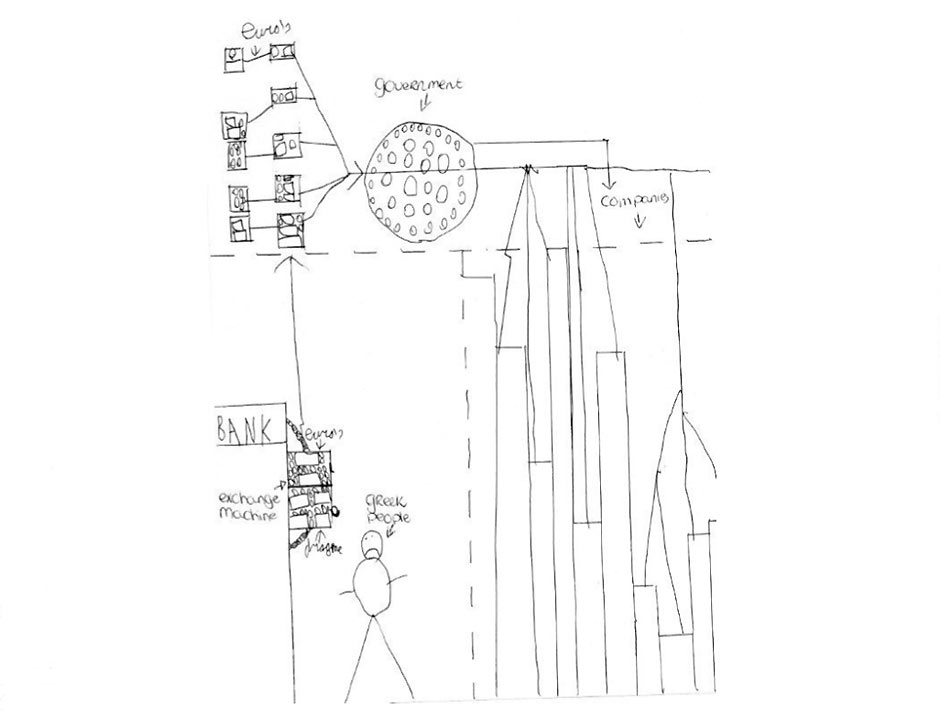
Herman explains: "All these euros together form a pancake or a pizza (see on top in the picture). Now the Greek government can start to pay back all their debts, everyone who has a debt gets a slice of the pizza."

Siamo dunque in buone mani, sereni e tranquilli: tutto si aggiusterà, e gli italiani potranno sicuramente continuare ad abitare il paradiso terrestre dell'eurozona, magari con qualche protesta tedesca, che mal sopportano i nostri canti di gioia, accompagnati da chitarra e mandolino (senza esagerare però...altrimenti ci cacciano!)


La breve settimana appena trascorsa (venerdì i mercati erano chiusi) ha sostanzialmente confermato le preoccupazioni crescenti sull'eurozona. Ne hanno risentito il cambio euro/dollaro (-1,9%), le azioni europee (-3,2%) e le obbligazioni trentennali dell'eurozona (-1,5%). La debolezza del cambio ha cancellato le correzioni sui mercati azionari U.S.A., sugli indici immobiliari e delle materie prime, riportando in positivo i rendimenti in euro. 

Le strategie  top2  e top3 questa settimana hanno rispettivamente avuto rendimenti pari al -0,2% e +0,2%. Nel 2009 le stessa strategie avevano reso rispettivamente il 12.2% e il 2.4%, nel 2010 il 22.4% e il 18.2% mentre hanno chiuso negativamente il 2011 (-13,2% e -6,6%). Il rendimento composto annualizzato dal 1 gennaio del 2009 ad oggi è rispettivamente pari a +6,7% e +5,1% con massimo drawdown 16,9% e 15,1% e volatilità  11,4% e 11,0%.

La strategia che investe negli asset con  tendenza di medio periodo positiva questa settimana  ha perso lo 0,9%.  Positivo il 2009 +11,7%  e il 2010 con un rendimento pari al +12.1% leggermente negativo invece il 2011 con un -3,3%.   Il rendimento composto annualizzato dal 1 gennaio del 2009 ad oggi è  pari al  +6,5%, con un massimo drawdown del 9,2% e volatilità 10,2%.

La tabella qui sotto riassume il profilo rischio/rendimento delle tre strategie negli ultimi 3 anni:


Nella figura è raffigurato l'andamento di un euro investito nelle tre strategie dal 3 gennaio 2009 ad oggi.


E' bene ricordare che i rendimenti calcolati non tengono neppure conto dei costi di transazione e del prelievo fiscale. Mi preme comunque sottolineare che le analisi e le simulazioni descritte in questo blog sono da considerarsi sempre e comunque risultati teorici e relativi al passato. Chiunque decidesse di utilizzare le strategie descritte o qualsiasi altra informazione tratta da questo blog per decisioni di investimento se ne assume completamente la responsabilità.

La classifica settimanale degli asset questa settimana vede il sorpasso compiuto dall'indice SP500 (che torna ad occupare la prima posizione) ai danni delle obbligazioni dell'eurozona che scivolano al secondo posto, perdipiù con  tendenza di breve periodo negativa. L'euro conserva la quinta posizione ma ha nuovamente la tendenza di medio periodo negativa, cancellando il segnale positivo della scorsa settimana. Invariato il portafoglio delle strategie top2 (50%  del capitale nelle obbligazioni trentennali dell'eurozona e  50% nell'indice SP500) e top3 ( che investe  il capitale dividendolo per   1/3 nell'indice SP500, 1/3 nelle obbligazioni trentennali dell'eurozona e 1/3 nell'indice immobiliare globale).  La strategia che investe negli asset che hanno una tendenza di medio periodo positiva divide invece il capitale in quattro parti uguali tra obbligazioni trentennali dell'eurozona, indice SP500, indice immobiliare globale e indice Eurostoxx.

In questo post trovate le risposte ad alcune delle domande  più frequenti relative alla metodologia che utilizzo per la costruzione della tabella e dei portafogli che aggiorno settimanalmente.
In questo post ho descritto quali ETF negoziati a Milano  replicano (in positivo o in negativo) gli indici che sono settimanalmente tracciati qui su Alfaobeta. Se volete fare delle analisi da soli, in questo post ho spiegato come procurarsi gratuitamente le serie storiche dei prezzi e dei NAV degli ETF mentre qui potete trovare qualche informazione sui costi di transazione nel mercato dei cambi.

Ecco l'aggiornamento al 6 aprile 2012.


giovedì 22 marzo 2012

AhAA! Il Bund è un po' meno sicuro! AhA?

Dal New York Times di oggi:


The value of German bonds — considered a shelter from Europe’s debt storm during the last two years — has started to fall, now that investors sense a calming in other European waters.
On Wednesday the yield — or effective interest rate demanded by markets — on the benchmark 10-year German bond rose as high as 2.07 percent, an 18 percent increase from last week. Later in the day, it fell back somewhat, to 1.98 percent.
Because bond yields rise as their prices fall, that means investors holding them now feel proportionately poorer than they did last week. A lot of those holders are big European banks, which have enough problems already without having to worry about their bunds, as German bonds are known.
The spiking yields partly reflect a shift by hedge funds and asset managers into debt issued by countries like Italy and Spain. Those offer a much higher interest rate — but are evidently not considered quite as risky as they were just a few months ago, as Europe shows signs of having muddled through the worst of the crisis.
L'anno scorso la fuga verso il Bund, come rifugio dalle turbolenze dei tassi dei PIIGS, era stata impressionante e aveva nascosto le debolezze della Germania (non è un ossimoro: queste debolezze esistono, non sono di trascurabile entità e sono state messe in secondo piano dalla crisi del debito dei paesi periferici dell'eurozona):
As a sign of the bunds’ rising value on the open market last year, the yield on the 10-year bunds went from about 3.5 percent in April to as low as 1.67 percent in September. Now some of those gains are turning into losses. 
Le debolezze tedesche non si limitano al fatto che nel caso siano necessari ulteriori salvataggi la Germania dovrà contribuire in modo sostanziale ai costi ma sono anche di tipo strutturale: l'economia tedesca forse è meno robusta di quanto non ci vogliano far credere:
But another reason for the yield surge may be that investors see potential weaknesses in Germany. If the crisis heats up again, as many analysts say it will, Germany is the country that would bear the greatest share of the cost. Its creditworthiness could then slip.
“Whenever there is a disbursement to a Greece program or a Portuguese program, Germany is on the hook for roughly one quarter of the bill,” said Mr. Weinberg of High Frequency Economics.
He is also skeptical about another premise for Germany’s status as a refuge from the financial crisis: that it has a robust economy. Mr. Weinberg noted that the German economy shrank in the last quarter of 2011, and that recent data shows a slowdown in orders to German manufacturers.


“Based on the numbers I see,” Mr. Weinberg said, “the notion that Germany is safe as an economy doesn’t hold any water.”

Standard and Poor's non ha perso tempo l'estate scorsa a togliere la tripla A agli USA: ma è davvero convinta che i Treasury Bonds siano più rischiosi del Bund? 

domenica 11 marzo 2012

Addio Grecia? Aggiornamento al 9 marzo 2012.

Le ultime settimane sono state molto impegnative per me, e il blog ne ha risentito (ecco qui una delle cose che mi hanno occupato in questi giorni). Ma gli avvenimenti dell'ultima settimana, con l'entusiastica (....!?!) adesione dei creditori privati alla ristrutturazione del debito greco, impongono un commento, seppure breve. 
Da più parti si festeggia la buona riuscita dell'operazione, e il successo dell'LTRO (Long Term Refinancing Operation) da parte della Banca Centrale Europea, con la discesa dello spread BTP-Bund a poco più di 300 punti base. E' indubbio che inondare le banche di liquidità le ha messe in condizioni di riacquistare il debito italiano (e spagnolo) con benefici indiretti anche per le casse pubbliche. Ma come in molti osservano il debito dei PIIGS sia sempre più nelle mani delle banche dei rispettivi paesi e sempre meno in quelle delle banche straniere, rendendo di fatto molto più probabile l'uscita di paesi come la Grecia e del Portogallo dall'eurozona (potete esprimere la vostra opinione al riguardo nel sondaggio qui accanto): qui potete trovare un esempio delle analisi che girano soprattutto nelle newsletter economico-finanziare americane.

John Mauldin questa settimana afferma senza mezze misure che il contagio dalla Grecia agli altri PIIGS non è impossibile, anzi è sempre più probabile:


The sovereign debt crisis is not over. Not in Europe, not in Japan, and not in the US. It is in a lull period. And don't give me that old shibboleth, "The market is telling us that the crisis is over." The market knows a lot less than many pundits believe. What did the market know in mid-2007? Not very much, although the warning signs were clear, at least to some of us.


Sadly, the focus of the crisis will now move on to other countries in Europe. The economic arithmetic of the peripheral countries is not much better than that of Greece only a few years ago. The pronouncements and assurances from European leaders are about the same as they were a few years ago. Total European debt is at 443%, well above US debt of 350%. European banks are leveraged over 30 to 1, at least double that of US banks, which are nerve-wracking enough.

It is the time of the Endgame. There will be contagion.


 D'altronde, al di là della finanza, c'è una economia reale in condizioni disperate: la contrazione del GDP greco dal 2007 ad oggi è di quasi il 20% (-0.2% in 2008, -3.3% in 2009, -3.4% in 2010, -6.9% in 2011 e - 7.5% nel quarto trimestre del 2011), la disoccupazione in Spagna è oltre il 23% e quella giovanile viaggia intorno al 50%, in Italia negli ultimi 12 mesi è cresciuta dall'8 al 9.2% e in Portogallo dal 12.3 al 14.8%, in Irlanda pure si assesta al 14.8%. In Germania è invece scesa dal 6.3 al 5.8% e in Austria dal 4.5 al 4%. Ma l'unica ricetta che si propone per i PIIGS è l'austerità. E poi? Quando il prodotto interno lordo si sarà ancora abbassato e l'occupazione sarà ancora diminuita il debito sarà ancora più insostenibile e l'unica via d'uscita sarà l'abbandono dell'euro (lo è già da tempo per la Grecia e probabilmente anche per il Portogallo).

Gli asset seguiti settimanalmente da Alfa o Beta? non hanno messo a segno rialzi o ribassi consistenti, con variazioni comprese tra un +0.7% dell'indice SP500 in euro e il -0.9% dell'indice Eurostoxx.  
Le strategie  top2  e top3 questa settimana hanno segnato rispettivamente un +0,2% e +0.1%. Nel 2009 le stessa strategie avevano reso rispettivamente il 12.2% e il 2.4%, nel 2010 il 22.4% e il 18.2% mentre hanno chiuso negativamente il 2011 (-13,2% e -6,6%).

La strategia che investe negli asset con  tendenza di medio periodo positiva questa settimana  ha perso lo 0,1%. Positivo il 2009 +11,7%  e il 2010 con un rendimento pari al +12.1% leggermente negativo invece il 2011 con un -3,3%. Il rendimento annualizzato composto nel triennio è pari al  +7,1%, con un massimo drawdown del 9,2% e volatilità 10,3%.

La tabella qui sotto riassume il profilo rischio/rendimento delle tre strategie negli ultimi 3 anni:


Nella figura è raffigurato l'andamento di un euro investito nelle tre strategie dal 3 gennaio 2009 ad oggi.


E' bene ricordare che i rendimenti calcolati non tengono neppure conto dei costi di transazione e del prelievo fiscale. Mi preme comunque sottolineare che le analisi e le simulazioni descritte in questo blog sono da considerarsi sempre e comunque risultati teorici e relativi al passato. Chiunque decidesse di utilizzare le strategie descritte o qualsiasi altra informazione tratta da questo blog per decisioni di investimento se ne assume completamente la responsabilità.

Non ci sono cambiamenti nella classifica settimanale degli asset.  Il primo posto è  occupato dalle obbligazioni trentennali dell'eurozona mentre al secondo posto troviamo l'indice SP500 e al terzo l'indice immobiliare globale. Tutti gli asset hanno la tendenza di breve periodo positiva tranne il cambio euro/dollaro. Invariati i portafogli delle strategie top2 top3: la top2 investe il capitale dividendolo al 50%  nelle obbligazioni trentennali dell'eurozona e al 50% nell'indice SP500 mentre  la top3 riserva  1/3 del capitale all'indice SP500, 1/3 alle obbligazioni trentennali dell'eurozona e 1/3 all'indice immobiliare globale. La strategia che investe negli asset che hanno una tendenza di medio periodo positiva divide invece il capitale in quattro parti uguali tra obbligazioni trentennali dell'eurozona, indice SP500, indice immobiliare globale e indice Eurostoxx.

In questo post trovate le risposte ad alcune delle domande  più frequenti relative alla metodologia che utilizzo per la costruzione della tabella e dei portafogli che aggiorno settimanalmente.
In questo post ho descritto quali ETF negoziati a Milano  replicano (in positivo o in negativo) gli indici che sono settimanalmente tracciati qui su Alfaobeta. Se volete fare delle analisi da soli, in questo post ho spiegato come procurarsi gratuitamente le serie storiche dei prezzi e dei NAV degli ETF mentre qui potete trovare qualche informazione sui costi di transazione nel mercato dei cambi.

Ecco l'aggiornamento al 9 marzo 2012.

mercoledì 14 dicembre 2011

Povero euro!

I (timidi, vedi sotto...) lettori di Alfa o Beta? si sono pronunciati: l'euro ha poche chances di uscire dalla crisi integro. Ecco i risultati del sondaggio: L'euro sopravviverà alla crisi?

  5 (23%)
Sì, ma la Grecia lascerà l'eurozona
  4 (19%)
Sì, ma due o più paesi deboli saranno costretti ad abbandonarlo
  5 (23%)
No, la Germania lascerà l'eurozona
  1 (4%)
No
  6 (28%)

Peccato che le risposte siano state così poco numerose...Solo 21 risposte su 540 visite nelle due settimane in cui è stato possibile rispondere. In un sondaggio condotto su commissione del Wall Street Journal tra Ottobre e Novembre i risultati sono stati più incoraggianti.


Mi chiedo tuttavia se le percentuali non siano in aumento particolarmente dopo l'esito poco convincente della riunione dei capi di governo di venerdì scorso. Ecco come Martin Wolf commenta l'esito sul Financial Times di oggi:


A disastrous failure at the summit


Whom the gods wish to destroy they first make mad. That was my reaction to the outcome of last week’s meeting of the European Union’s Council. Many focused their attention, understandably, on the decision by David Cameron, UK prime minister, to veto a new treaty. But the UK’s behaviour took attention away from the failure of the eurozone’s leaders to devise a credible remedy for the ills of the currency union. They propose, instead, to tighten the screws on fiscal deviants. It may feel good. But it will not work.

Martin Wolf non usa molti mezzi termini e definisce l'unione disegnata da Merkel e Sarkozy una unione fondata sull'instabilità e sulla stagnazione, anzichè l'auspicata stabilità e crescita. Paragona poi la richiesta che i PIIGS e gli altri membri dell'eurozona votino emendamenti costituzionali che prescrivano il limite dello 0,5% per il deficit strutturale annuale come la richiesta che i tacchini votino a favore del Natale e la definisce una mostruosità economica. L'osservazione di base è sempre la stessa: come ben spiega Wikipedia l'equazione di raccordo tra bilancia dei pagamenti e contabilità nazionale impone che in ogni istante valga la seguente identità contabile

PIL = C + I + G + (X-M)

dove PIL è il prodotto interno lordo, C sono i consumi, I gli investimenti del settore privato, G la spesa pubblica e (X-M) è la differenza tra esportazioni e importazioni. Se si impone a C e a G di diminuire (mediante la politica di austerità da tutti auspicata) occorre che il deficiti della bilancia commerciale diminuisca e/o gli investimenti aumentino solo per compensare e impedire una recessione. Uno scenario che sembra davvero poco plausibile per Portogallo, Spagna, Italia e soprattutto la Grecia, specialmente con un euro così forte...

giovedì 8 dicembre 2011

Uno spread che non cala.

Uno spread che non cala (da lavoce.info): BTP-Bonos spagnoli. La piccola diminuzione subito prima del varo della manovra è l'intervento coordinato delle banche centrali della settimana scorsa che ha considerevolmente ridotto lo spread sul Bund sia di BTP che di Bonos.La figura è di un paio di giorni fa, mentre vi scrivo lo spread è poco inferiore ai 60 p.b. dunque leggermente in calo rispetto a quello della figura, ma ancora molto lontano dai valori negativi di fine giugno.

venerdì 25 novembre 2011

8 per cento !

Venduti tutti i Bot e i Ctz in asta oggi...ma a che prezzo! I Bot a 6 mesi sono stati venduti a un tasso del 6.5% e i Btp a due anni scambiati sul mercato secondario hanno raggiunto l'8%Traders said the ECB was buying Italian and Spanish bonds in an attempt to shore the market up. But given its reluctance to prop up high-debt euro zone governments, its bond-buying program has been conducted intermittently, and never powerfully enough to provide more than short-term stability.
Tre settimane fa il governatore della Banca d'Italia Ignazio Visco aveva dichiarato che il debito italiano è sostenibile anche con tassi all'8%. Il mercato non ha esitato a metterlo alla prova...
Un mese fa i Bot semestrali erano stati immessi sul mercato al 3.5%.

lunedì 21 novembre 2011

Aspettando gli eurobond e l'accordo sul debito U.S.A.

Il Wall Street Journal osserva come la situazione politica ricordi da vicino la crisi di fine luglio-inizio agosto, quando la sterilità del dibattito sul debt ceiling fornì la scusa all'agenzia di rating Standard and Poor's per il downgrade del debito sovrano statunitense. Entro mercoledì il comitato bipartisan dovrebbe trovare un accordo da ratificare in Senato per l'abbassamento del debito di almeno 1200-1500 miliardi di dollari. E' sempre più improbabile che ciò accada e le conseguenze sui mercati non dovrebbero tardare a farsi sentire.

For investors, the supercommittee deadline is an unwelcome throwback to the summer, when wrangling over the debt ceiling continued to the eleventh hour and eventually resulted in Standard & Poor's downgrading the U.S.'s credit rating. Then, as now, many investors had been more focused on troubles in Europe, only belatedly realizing the threat being posed to markets, Mr. Doss says.
The biggest unknown, says Erin Browne, director of global macro trading at Citigroup, is how much the continuing wrangling further undermines investor confidence in policy makers.
"The market is concerned about the fact that there's a seeming failure on a global level for policy makers to come to decisions in times of need," Ms. Browne says. "Investors want to see that, at least in times of crisis, Congress can come together."
A loss of faith in political leadership has been a hallmark of the past few months. The Dow Jones Industrial Average tumbled 16% between July and early October amid worries about the impact of the U.S. downgrade, the stalling economy and growing troubles in Europe. Since then, the gains have been driven by hope for progress in Europe as well as evidence of an improving U.S economy.
Most investors and analysts had been anticipating the so-called supercommittee would achieve what RBC Capital Markets chief U.S. economist Tom Porcelli calls "partial success," finding about $1.2 trillion in cuts. But, on Sunday, even that appeared unlikely, leaving open the prospect automatic triggers could kick in to make those budget cuts anyway—largely in federal programs and defense spending.
C'è poi il rischio che la mancanza di un accordo provochi ulteriori tagli del rating del debito americano: 
Still, a credit downgrade, especially by Moody's Investors Service or Fitch Ratings, could have severe consequences, investors said. Such a move would lower the U.S. government's average rating, which remains at triple-A even after the S&P downgrade in August. Many funds are legally obliged to hold only triple-A-rated securities in their portfolios, so a further downgrade could force these funds to liquidate their Treasury holdings.
Nel frattempo in Europa riprende quota l'ipotesi di emettere Eurobond: ancora una volta l'ostacolo viene dalla Germania, ma è chiaro a tutti l'inefficacia dell'EFSF e se non si vuole che la BCE monetizzi il debito dei PIIGS non sembrano esserci molte alternative - tranne la dissoluzione della zona euro...Come è noto ci sono tre versioni possibili: 

Three Visions of Euro Bonds

  • National bond issuance ceases. Euro-zone governments raise new funds in euro bonds, guaranteed jointly by all 17 members. Existing bonds are converted into euro bonds.
  • National governments raise funds as euro bonds, guaranteed jointly by the 17 members, up to a certain limit. Beyond that, governments issue national bonds.
  • National governments raise funds as euro bonds up to a ceiling. Unlike in the first two options, the bonds are backed by limited guarantees from the 17 euro-zone states.

La terza ipotesi è quella meno indigesta per la Germania e gli altri paesi virtuosi, e anche quella maggiormente compatibile con i trattati europei già in vigore. Basterà?